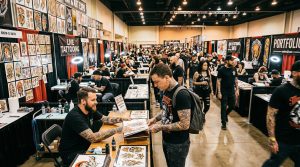
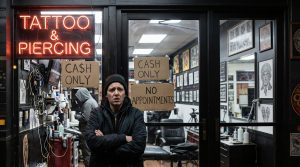
Good heavens, dear readers! Who would have thought that in the span of a few decades, we’d witness such a dramatic shift in the perception of tattoos? Once the domain of sailors, convicts, and rebellious youth, these inky adornments have now become as commonplace as a well-tailored suit or a perfectly brewed cup of Earl Grey.
But what of those who find themselves saddled with the unfortunate remnants of youthful indiscretion? Fear not, for the world of tattoo artistry has evolved to offer a solution: the cover-up.
Understanding Cover-Up Tattoo Feasibility
What Makes a Good Cover-Up Candidate
According to psychology research on tattoo regret and transformation, successful cover-ups provide psychological benefits beyond aesthetics, helping individuals reclaim personal narrative and self-image. Cover-up tattoos are not merely a matter of slapping one design over another. Oh no, it’s an art form unto itself, requiring skill, creativity, and a dash of magic. These talented artists transform old, faded, or simply regrettable tattoos into stunning new masterpieces. It’s rather like turning a drab caterpillar into a resplendent butterfly, only with considerably more needles involved.
Dark tattoos cover easier than light ones – faded black or grey ink provides the best foundation for successful transformation, while bright colors may require additional preparation.
Limitations and Realistic Expectations
The process of creating a cover-up tattoo is not without its challenges. The artist must contend with the existing ink, working with (or against) its color and placement. It’s a bit like trying to paint a masterpiece on a canvas that’s already been scribbled upon by an overzealous toddler. Yet, these talented individuals manage to create stunning works of art that not only conceal the original tattoo but often surpass it in beauty and meaning.
When Laser Fading May Be Necessary
Laser fading reduces ink density before cover-up work, making it easier to achieve vibrant colors and clean designs over previously dark or dense tattoos. This preparatory step can expand design possibilities significantly.
Color Theory and Design Considerations
How Dark Ink Affects Color Choices
Recent color theory research for tattoo layering demonstrates why darker, more saturated colors are necessary to effectively mask existing pigments beneath the skin. Bold saturated colors work best for cover-ups – rich blacks, deep blues, vibrant reds, and bold purples provide the density needed to conceal underlying ink.
Size Requirements: Going Bigger and Bolder
Cover-ups typically require 25-50% larger designs than the original tattoo to effectively disguise edges and ensure complete coverage of the old ink.
Design Styles That Work Best for Cover-Ups
The history of tattoo cover-ups is as rich and colorful as the designs themselves. In ancient times, tattoos were often used as punishment or to mark slaves. Imagine the poor soul branded with such a mark, desperate to conceal it. One can only assume they resorted to rather primitive methods – perhaps strategically placed fig leaves or an abundance of body hair.
The importance of understanding the design process from sketch to skin is magnified with cover-ups where collaboration ensures the new design effectively conceals old ink. Design styles that excel at cover-ups include realistic portraits with heavy shading, nature scenes with dense foliage, geometric patterns with bold black work, and illustrative designs with strong contrast.
Strategic Placement and Composition
When choosing the right placement for cover-up success, consider how body contours and natural shadows can enhance the new design while disguising old ink.
The Cover-Up Consultation Process
Finding Artists Specializing in Cover-Ups
Fast forward to the modern era, and we find ourselves in a veritable renaissance of tattoo artistry. The techniques employed in cover-up tattoos are truly remarkable. The popularity of tattoo cover-ups has given rise to a whole new subset of tattoo artists who specialize in this particular art form. These individuals are part artist, part therapist, and part magician. They must possess not only the technical skills to create beautiful tattoos but also the ability to listen to their clients’ stories and help them craft a new narrative on their skin.
Portfolio Review: Evaluating Cover-Up Expertise
Review artists’ portfolios specifically for before-and-after examples of cover-up work to assess their ability to transform challenging old tattoos into cohesive new designs.
Questions to Ask During Consultation
Practice asking your artist about cover-up experience including how many cover-ups they’ve completed and requesting before/after portfolio examples.

Cover-Up Techniques and Process
Clever Shading and Contrast Methods
According to tattoo industry cover-up techniques guide, artists must consider ink density, color saturation, and strategic shading when layering new designs over old tattoos. Artists use clever shading, strategic placement, and bold designs to cleverly disguise the original tattoo. It’s rather like watching a master illusionist at work, only instead of pulling rabbits out of hats, they’re turning ex-lovers’ names into majestic eagles.
Layering Dark Ink Over Light
Successful layering requires building up pigment density gradually, often starting with darker base colors before adding highlights and details in subsequent sessions.
Session Timeline and Multiple Sittings
Multiple sessions often necessary for full coverage – complex cover-ups may require 2-4 sessions spaced 6-8 weeks apart to allow proper healing between applications.
Healing and Aftercare for Cover-Ups
Why Cover-Ups May Heal Differently
The American Academy of Dermatology scar tissue tattooing guidance notes that cover-ups over old tattoos may involve tattooing through scar tissue, requiring extended healing time and careful aftercare. Cover-ups heal slower due to scar tissue from the original tattoo, potentially adding 1-2 weeks to the standard healing timeline.
Touch-Ups and Final Adjustments
Following the comprehensive healing timeline for tattoo recovery is critical for cover-ups which may experience longer healing due to working over scar tissue. Touch-up sessions allow artists to add final saturation, enhance contrast, and perfect details once initial healing reveals how the new ink has settled over the old.
Cost and Long-Term Considerations
Pricing Factors for Cover-Up Work
Cover-ups typically cost 25-50% more than standard tattoos due to the additional complexity, design time, and technical skill required to successfully transform old ink.
Maintenance Over Time
One particularly fascinating aspect of tattoo cover-ups is the psychological impact they can have. For many, these transformative pieces offer a chance at reinvention, a way to shed the skin of the past and emerge anew. It’s rather like a snake shedding its old skin, only with considerably more swearing and the occasional fainting spell.
The world of tattoo cover-ups is a fascinating blend of art, psychology, and a touch of alchemy. It’s a testament to human creativity and our endless capacity for reinvention. So the next time you spot someone sporting a particularly magnificent piece of body art, do take a moment to wonder – what secrets might be hiding beneath those vibrant colors and bold lines? After all, every tattoo cover-up tells not just one story, but two.
Frequently Asked Questions
Can an old tattoo really be covered with a new design?
Yes, but it depends on the existing tattoo’s colour, density, and placement. A cover-up is a specialised process, not merely a matter of plonking one design on top of another and hoping for the best.
What makes a tattoo a good candidate for a cover-up?
The article explains that faded black or grey tattoos usually provide the best foundation. Dark tattoos are generally easier to cover than bright ones, which may need extra preparation.
When is laser fading needed before a cover-up?
Laser fading may be necessary when the old tattoo is very dark or densely packed with ink. It reduces ink density and can open up more design options for the new piece.
Do cover-up tattoos need to be bigger than the original?
Usually, yes. The article states that cover-ups typically need to be around 25 to 50% larger to disguise the old tattoo’s edges and achieve full coverage.
Which tattoo styles work best for cover-ups?
Designs with strong contrast and dense coverage tend to work best. The article lists realistic portraits with heavy shading, nature scenes with foliage, geometric blackwork, and bold illustrative designs.
How many sessions does a cover-up tattoo usually take?
Complex cover-ups often require 2 to 4 sessions. These are typically spaced 6 to 8 weeks apart so the skin has time to heal properly between sittings.
Do cover-up tattoos cost more than standard tattoos?
Yes — the article says cover-ups usually cost 25 to 50% more. That extra cost reflects the added complexity, design work, and technical skill involved.