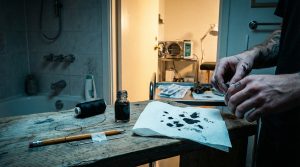
Hey there inklings, let us plunge headfirst into the gloriously specific world of comprehensive aftercare guide, where two schools of thought wage a gentle war over the proper way to nurture these dermal masterpieces. Dry healing and wet healing stand before us like two particularly opinionated aunts at Christmas dinner, each convinced their method surpasses the other.
Understanding Tattoo Healing Methods
What Method Is Best? Dry Healing or Wet Healing
Dry healing, the stoic minimalist of tattoo aftercare, involves allowing your fresh ink to heal without the application of any moisturizing products. Rather like leaving a Victorian house to weather naturally, supporters claim this method reduces common aftercare mistakes and speeds up the healing process. The skin forms a protective scab – nature’s very own Band-Aid, if you will.
Wet healing, by contrast, embraces moisturizer like a Brazilian embraces carnival. This method keeps the tattoo hydrated through regular applications of suitable aftercare products. Think of it as giving your skin a lovely drink whenever it feels parched, much like I tend to my beloved cup of Earl Grey.

The Science Behind Each Method
Dry Healing Process and Benefits
The science behind these methods sparkles with brilliance. During dry healing, the skin produces its own plasma-derived proteins to protect the wound. These clever little molecules form a protective barrier, rather like a microscopic army of determined housekeepers.
The dry healing process typically results in more scabbing and itching – oh, the itching! It’s enough to drive one to distraction, like sitting through an entire Wagner opera with an unreachable itch on one’s nose. Managing tattoo itching management becomes essential with this method. Supporters maintain this method reduces the risk of excessive moisture and subsequent ink spreading.
Wet Healing Process and Benefits
Wet healing advocates point to wound healing research showing that moist wound environments promote better skin cell migration and reduced scar formation. The moisturizer acts as a protective barrier against external bacteria while keeping the skin supple – rather like putting a greenhouse over a particularly precious plant.
Wet healing proponents counter that proper moisturizing techniques prevent excessive scabbing and reduce the maddening itch. The skin remains flexible, which they claim leads to better ink retention and faster healing times. Think of it as giving your skin a first-class ticket to recovery rather than making it rough it in economy. Products like Vitium Tattoo Butter are specifically designed to support this healing method.
Choosing the Right Method for Your Tattoo
Knowing What Method To Use
Dear readers, both methods shine in their own way, much like both Beethoven and Mozart made rather good contributions to classical music. Your skin type, the location of your tattoo, and your daily activities all play crucial roles in determining which method might suit you best. Following proper tattoo healing guidelines from medical professionals helps inform your decision.
Your chosen path demands cleanliness remains paramount. Treat your fresh tattoo like the Queen treats her crown jewels – with utmost respect and care. Above all, follow your tattoo artist’s specific instructions and tattoo care recommendations from dermatological experts, as they know their craft better than most.
A note on healing times: Understanding the tattoo healing timeline is essential – dry healing typically takes 2-4 weeks, while wet healing generally spans 2-3 weeks. Though these timeframes vary as much as British weather, they provide a rough guide for planning purposes.
Oh, and should anyone ask why you’re scratching like a bear against a tree, simply smile knowingly and quote Oscar Wilde: “Beauty is pain, darling.” Though perhaps don’t scratch at all – that’s rather frowned upon in both camps.