A Frank Discussion About Dermis, Disorders, and Decorative Ink
There’s a peculiar optimism that overtakes us when we contemplate a new tattoo—a delightful suspension of practical concerns in favour of aesthetic ambition. We imagine the finished artwork, the conversations it will spark, the way it will transform our relationship with our own bodies. What we rather less frequently imagine is our immune system staging a small but determined rebellion against the very art we’ve commissioned.
For most people, this optimism is entirely warranted. The vast majority of tattoos heal without incident, becoming precisely the permanent adornments their owners intended. But for those of us with certain pre-existing skin conditions, the calculation becomes considerably more complex. The skin, you see, has opinions of its own—and when it’s already engaged in some ongoing biological disagreement, introducing foreign pigments via thousands of needle punctures per minute requires rather more consideration than simply choosing between a dragon and a koi fish.
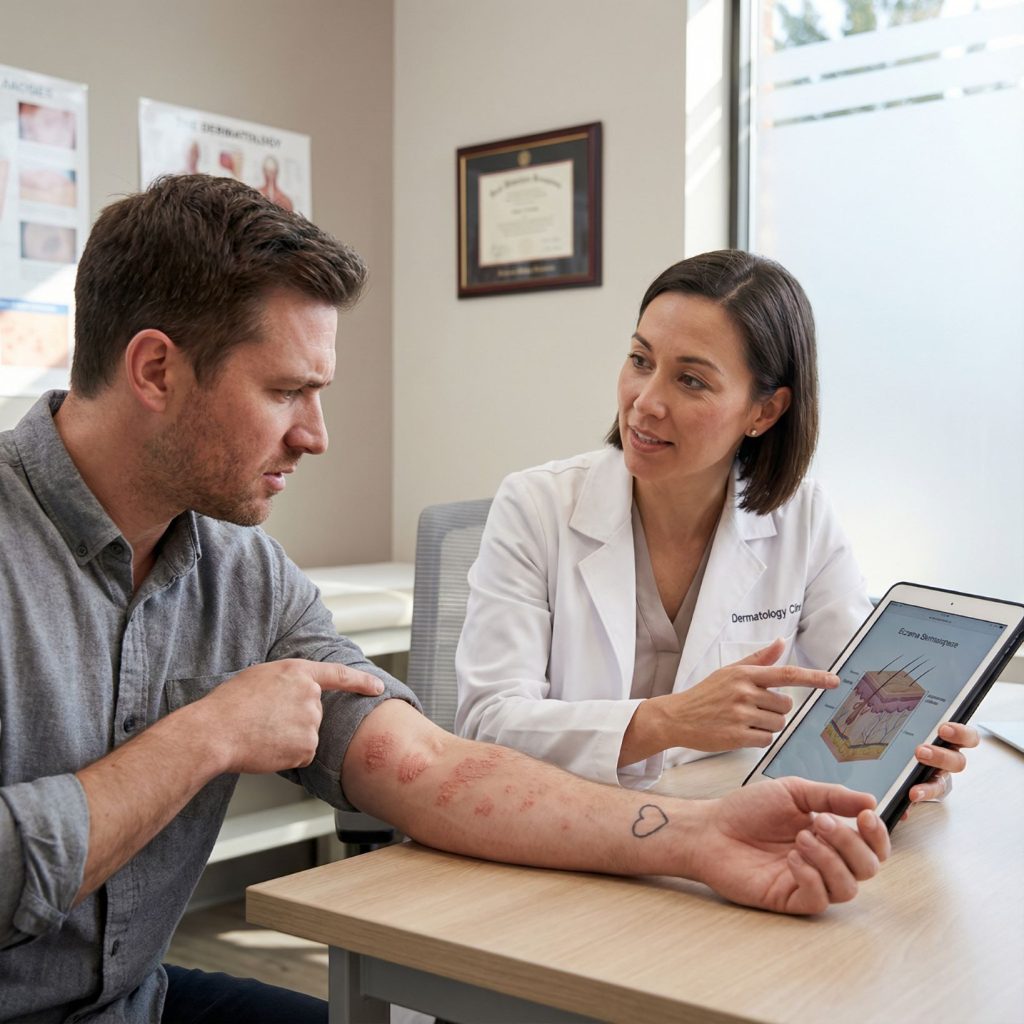
This isn’t to suggest that skin conditions automatically disqualify one from the tattoo experience. Far from it. But knowledge, as always, is power—and understanding how your particular dermatological circumstances might interact with tattooing can mean the difference between a magnificent addition to your personal gallery and a medical misadventure you’d rather forget.
The Koebner Phenomenon: When Trauma Triggers Territory
Let us begin with a concept that sounds rather like a Victorian magic trick but is, alas, entirely real: the Koebner phenomenon. First described by the German dermatologist Heinrich Koebner in 1876, this phenomenon occurs when skin trauma—any skin trauma, including tattooing—triggers new lesions of an existing skin condition in the injured area.
In plain English: if you have psoriasis and get a tattoo, new psoriasis plaques may appear precisely where the tattoo sits. The same applies to lichen planus and vitiligo. Your body, in its infinite wisdom, decides that the trauma of tattooing is the perfect opportunity to extend its dermatological disagreement into new territory.
According to the Boyd-Nelder classification—yes, there’s an actual scientific classification for this—three conditions definitively “Koebnerize”: psoriasis, lichen planus, and vitiligo. However, dermatologists have observed similar behaviour in numerous other conditions, making the phenomenon rather more unpredictable than one might hope.
Here’s the particularly vexing bit: you might be “Koebner-negative” at one point in your life and become “Koebner-positive” later, with no warning whatsoever. The phenomenon shows dynamic behaviour, which is the scientific community’s way of saying “we can’t predict exactly when or if this will happen to you specifically.”
Psoriasis: The Flaking Question
Let’s address the elephant in the room—or rather, the plaques on the arm. Psoriasis affects millions worldwide, and many of those millions quite reasonably wonder whether body art remains an option. The short answer is: yes, but with significant caveats.
A survey of 150 psoriasis patients with tattoos found that getting tattooed could indeed exacerbate symptoms. The Koebner phenomenon means that even if your intended tattoo location appears completely clear, new plaques might develop there post-procedure. More concerning still, the trauma of tattooing can trigger a system-wide flare, affecting areas that have nothing to do with your new artwork.
Dr. Bernard Cohen, a paediatric dermatologist with over 40 years of experience at Johns Hopkins, recommends placing tattoos in areas where your psoriasis “tends not to flare”—though he’s quick to add that flare-ups can still occur anywhere. The advice essentially boils down to: know your skin’s patterns, and play the odds accordingly.
Critical Timing Considerations
Never—and I cannot stress this emphatically enough—get tattooed during an active psoriasis flare. “Even if a person is flaring in a small, distant area, we still consider inflammation as abnormal in the skin as a whole,” explains Dr. Peter Lio of Northwestern University. Your skin may appear flare-free where you want the tattoo, but if you’re experiencing symptoms elsewhere, your entire immune system is in a heightened state that makes complications more likely.
Additionally, if you’re taking immunosuppressant medications such as adalimumab, infliximab, methotrexate, or cyclosporine for your psoriasis, you face elevated infection risks that warrant serious discussion with your dermatologist before proceeding.
Eczema: The Sensitivity Spectrum
Atopic dermatitis—the medical term for eczema—presents its own particular set of considerations. Unlike psoriasis, eczema doesn’t classically Koebnerize, and to our knowledge, no post-tattoo complication specific to atopic dermatitis has been definitively documented. This is, relatively speaking, good news.
However, the good news comes with substantial asterisks. People with eczema often have heightened skin sensitivity and are more prone to allergic reactions—including reactions to tattoo ink components. The compromised skin barrier that characterises eczema also means increased infection risk during the healing process.
“If there’s any sign of anything wrong with a customer’s skin, that’s an instant ‘no’ for us,” explains Lori Rowe, an 18-year veteran tattoo artist from Portland. “Most people are pretty cautious, but sometimes we still have to turn people away.”
The Flare Factor
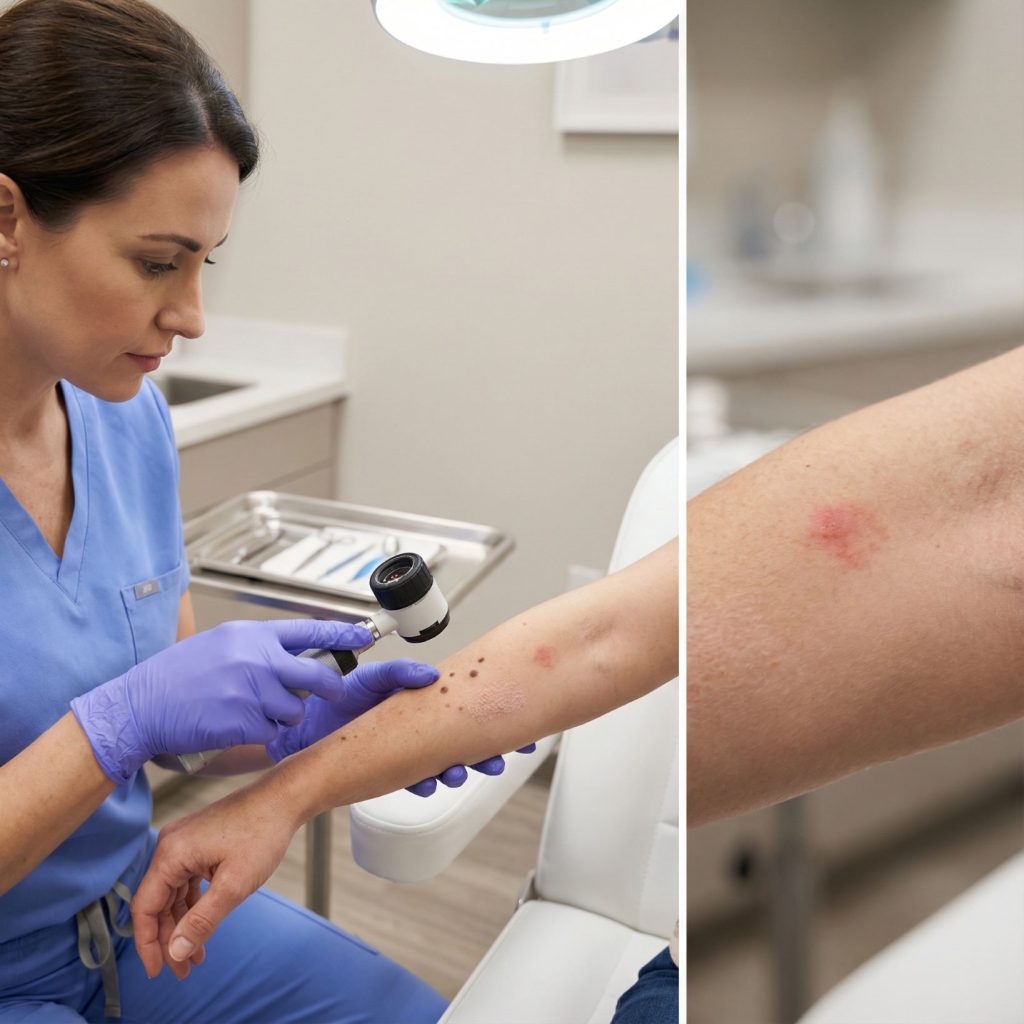
The same timing rules apply: never get tattooed during an eczema flare. Even if the flare is nowhere near your intended tattoo location, your immune system is elevated across the board. Dr. Ari Zelig, a Miami-based allergist, notes that “flaring skin can be worsened by allergens and irritants, especially the dye used in some colour tattoo inks.”
If eczema lesions are present at your intended tattoo site, cancel your appointment and consult a dermatologist. You can reschedule once you’ve completed any prescribed treatment with corticosteroids or tacrolimus/pimecrolimus—but give your skin adequate time to fully recover before subjecting it to the trauma of tattooing.
Vitiligo: Camouflage Complications
People with vitiligo sometimes consider tattoos as a way to camouflage depigmented patches—an entirely understandable impulse. However, the Mayo Clinic offers stark advice: “Don’t get a tattoo. Damage to your skin, such as that caused by a tattoo, may cause a new patch of vitiligo to appear within two weeks.”
This is the Koebner phenomenon in action once again. If you have active vitiligo, the skin trauma from tattooing might enlarge existing depigmented areas or trigger entirely new patches precisely where you placed the tattoo—rather defeating the camouflage purpose.
There’s another practical consideration: the final visible result of a coloured tattoo isn’t the same on vitiliginous skin as on normally pigmented skin, due to the absence of melanin. Colours may appear differently than expected, and if the underlying vitiligo patch expands, you’ll be left with a ring of pale skin surrounding your tattoo.
For those determined to pursue this route, micropigmentation—a form of cosmetic tattooing using iron oxide pigments applied less deeply than traditional tattoos—may be a safer alternative. These treatments typically fade within one to three years, offering less permanent results but also reduced risk of triggering extensive depigmentation.
Keloids: When Scars Grow Ambitions
Keloids are raised, thickened scars that extend beyond the boundaries of the original wound—the result of an overzealous healing response that produces excessive collagen. If you’re prone to keloid formation, tattooing presents significant risks that warrant careful consideration.
The trauma of tattooing—those thousands of needle punctures creating micro-wounds across your skin—can potentially trigger keloid formation in susceptible individuals. Keloids are more common in people of African, Asian, and Hispanic descent, and those with a family history of such scars. Certain body areas are particularly prone: shoulders, neck, chest (sternum area), earlobes, and upper arms.
If you develop a keloid within your tattoo, treatment options exist but aren’t always successful. Corticosteroid injections, laser therapy, and surgical removal are all possibilities, but keloids are notoriously stubborn and may recur even after treatment. The wisest course for keloid-prone individuals is to avoid tattooing altogether—or at minimum, to consult extensively with both a dermatologist and an experienced tattoo artist familiar with sensitive skin before proceeding.
Diabetes: The Healing Equation
People with diabetes—both Type 1 and Type 2—face unique considerations when contemplating tattoos. The primary concerns centre on infection risk and healing complications.
When blood glucose levels are elevated, blood becomes thicker, making it more difficult for white blood cells to reach wound sites efficiently. This compromises your body’s ability to fight potential infections and heal the tattoo properly. Studies show that diabetics are more susceptible to infections generally, and a tattoo is, medically speaking, a wound.
Additionally, the stress of the tattooing process itself—the pain, the adrenaline, the overall physical toll—can cause blood glucose levels to spike, potentially complicating both the procedure and the healing process.
Practical Precautions for Diabetic Clients
If you’re diabetic and determined to proceed, obtain explicit approval from your healthcare provider first. Ensure your blood glucose is well-controlled before scheduling your appointment. Inform your tattoo artist about your condition so they can monitor you during the session and accommodate breaks if needed. Follow aftercare protocols meticulously—more so than non-diabetic clients—and watch vigilantly for any signs of infection during healing.
Avoid tattooing on areas with compromised circulation, such as the lower legs and feet if you have diabetic neuropathy or peripheral vascular disease. These areas heal poorly even without the additional challenge of tattoo trauma.
The Rainbow of Risk: Ink Allergies Explained
Even without pre-existing skin conditions, anyone can develop allergic reactions to tattoo ink—though certain colours carry higher risks than others. Understanding this colour-coded danger can inform your design choices.
Red Ink: The Primary Culprit
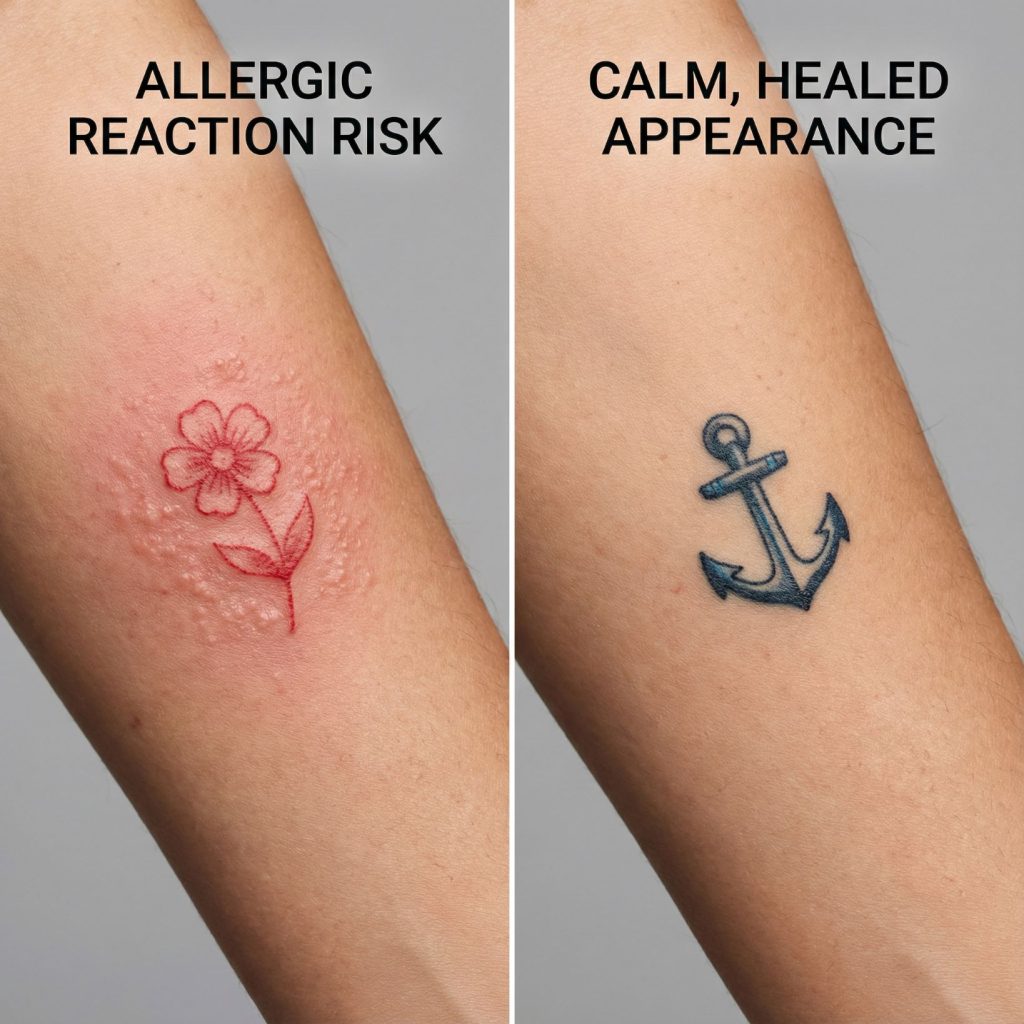
Red ink is the most common offender in allergic reactions—and by a considerable margin. Older red ink formulations contained mercury sulfide, a known sensitizer. While modern formulations have largely moved away from mercury, red inks still contain organic pigments and azo dyes that trigger reactions in susceptible individuals.
Reactions to red ink can manifest immediately after tattooing or—disconcertingly—decades later. One documented case involved a woman who developed an allergic reaction to her red ink seventeen years after getting the tattoo. The skin’s memory, it seems, is long and occasionally vindictive.
Symptoms of red ink allergy include itching, swelling, raised areas, crusting, and in severe cases, ulceration confined specifically to the red portions of the tattoo while other colours remain unaffected.
Other Problematic Pigments
Yellow ink containing cadmium sulfide can trigger photosensitivity reactions—meaning your yellow tattoo may cause irritation specifically when exposed to sunlight. This is particularly problematic for tattoos in sun-exposed locations.
Blue and green inks may contain cobalt and chromium respectively, both of which can cause contact dermatitis in sensitive individuals.
Black ink is generally considered the safest option, being composed primarily of carbon or iron oxides. However, even black ink isn’t entirely without risk—granulomatous reactions (small nodules forming around pigment particles) can occur with any colour.
The PPD Problem
A particular warning about paraphenylenediamine (PPD): this chemical, commonly found in hair dyes, has been identified in some tattoo inks and is a potent sensitizer. In one documented case, a patient with known PPD allergy received a tattoo with ink containing PPD in every colour, ultimately requiring surgical debridement and skin grafting due to the severity of her reaction.
PPD is also the primary concern with “black henna” temporary tattoos—which aren’t traditional henna at all but red henna mixed with PPD to create a darker colour. If you’ve had a reaction to black henna in the past, inform your tattoo artist, as you may be at elevated risk for permanent ink reactions as well.
When You Absolutely Should Not Get Tattooed
To summarise the medical consensus, you should avoid or postpone tattooing if any of the following apply:
You’re experiencing an active flare of any chronic skin condition—even if the flare is distant from your intended tattoo location. Wait until your skin has been stable for several weeks.
You have a history of keloid formation. The risk of triggering keloids within your tattoo is substantial and the consequences difficult to treat.
You’re taking immunosuppressant medications. Consult your prescribing physician before proceeding; they may advise against tattooing while on these medications due to infection risk.
You have a bleeding disorder or are on anticoagulation therapy. Excessive bleeding compromises both the tattooing process and healing.
You haven’t completed your hepatitis B vaccination series. Tattooing involves blood exposure; protection against bloodborne pathogens is sensible.
You have a known allergy to any tattoo ink component or related substances (like PPD or certain metals). Discuss alternatives with your dermatologist and artist.
The Dermatologist Conversation
If you have any chronic skin condition and are considering a tattoo, schedule a consultation with your dermatologist before booking your appointment. This isn’t excessive caution—it’s sensible preparation.
Your dermatologist can:
Assess your current disease activity and advise on optimal timing. Review your medications for potential interactions or complications. Recommend placement areas less prone to flaring or complications. Potentially arrange patch testing if you have a history of allergic reactions. Provide specific aftercare guidance tailored to your condition.
Some dermatologists recommend obtaining samples of the specific inks your artist plans to use and bringing them for patch testing. While negative patch tests don’t guarantee you won’t react to a full tattoo, positive results can definitively identify pigments to avoid.
Choosing Your Artist Wisely
When you have a skin condition, artist selection becomes even more critical than usual. Look for someone with experience working on clients with sensitive or condition-affected skin. Ask directly: “Have you worked with clients who have [your condition] before? Can you show me healed examples?”
A reputable artist will:
Ask about your medical history and current medications. Be willing to postpone if you’re not in optimal condition. Use high-quality inks from reputable manufacturers and be able to provide ingredient information. Follow rigorous sterilisation protocols (non-negotiable for everyone, but especially crucial for those with compromised skin). Provide detailed aftercare instructions specific to your situation.
If an artist dismisses your concerns or seems unfamiliar with skin conditions, find another artist. Your health is more important than any appointment slot.
Aftercare for Sensitive Souls
If you’ve navigated all the considerations and proceeded with your tattoo, aftercare becomes paramount. Those with skin conditions should expect longer healing times—typically four to six weeks or more rather than the standard two to three weeks.
Use only fragrance-free, hypoallergenic products on your healing tattoo. Your regular eczema or psoriasis treatments should be applied at different times from your tattoo aftercare products to avoid interactions—morning for medical treatments, evening for tattoo care, for instance.
Watch vigilantly for signs of infection or flaring: increased redness extending beyond the tattoo boundaries, unusual swelling, discharge, fever, or the appearance of your condition’s characteristic lesions within the tattooed area. If any concerning symptoms develop, contact your dermatologist promptly—early intervention prevents complications from escalating.
The Empowerment Perspective
Having presented all these cautions, let me conclude on a more hopeful note. Many people with skin conditions do successfully get tattoos—and find the experience deeply meaningful. For some, tattoos represent reclaiming agency over bodies that have sometimes felt like adversaries. The transformation of skin that has caused frustration into a canvas for chosen art can be genuinely therapeutic.
The key lies not in avoidance but in informed decision-making. Understanding the risks allows you to mitigate them. Consulting the right professionals ensures you proceed with appropriate safeguards. Choosing the right timing means your skin is best positioned to heal successfully.
Your skin tells a story—including, perhaps, the story of a condition you’ve learned to manage. There’s no reason a tattoo can’t become part of that story too. Just make sure it’s a chapter you’ve planned carefully rather than one that catches you by surprise.
Now then. Have you had that conversation with your dermatologist yet?